
PearlyBooks
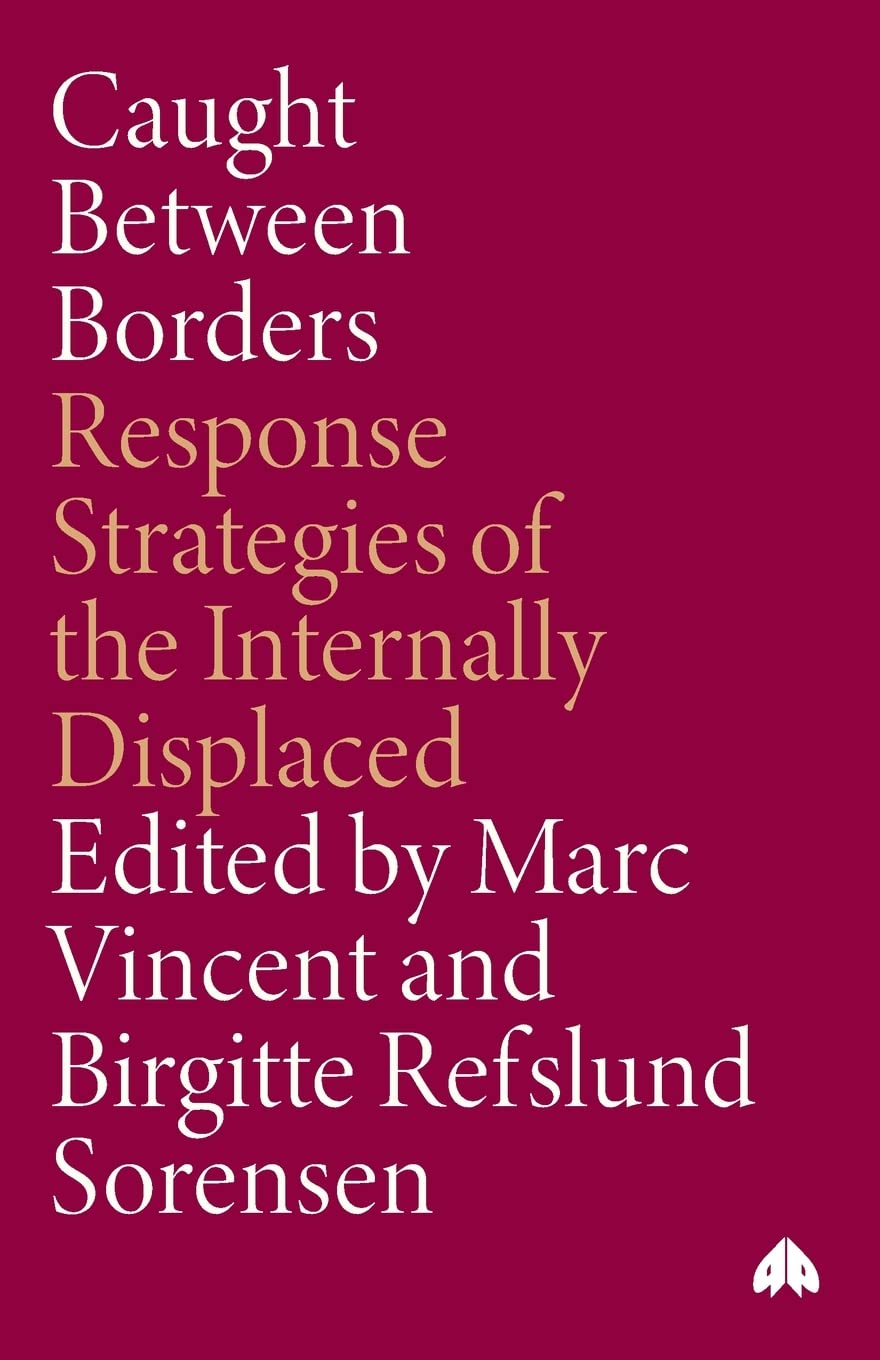
Caught Between Borders: Response Strategies of the Internally Displaced
Caught Between Borders: Response Strategies of the Internally Displaced
Condition Details
Condition Details
- New: Brand new and unread.
- Like New: Almost new condition, unread, however may have some slight shelf wear.
- Very Good: Some have been read & some unread, however books will show some signs of light wear/creases or light damage, may be missing dust jacket.
- Good: Some have been read & some unread, however books will show signs of wear/creasing/marks/tears or damage to cover, may be missing dust jacket.
Low stock: 2 left
Couldn't load pickup availability
What may be most valuable about the book is that it shows how internally displaced persons are not passive victims of circumstance, and that policy makers and humanitarian organizations should plan accordingly. Understanding the options that internally displaced persons use should help to shape assistance and protection measures before they are introduced.' Journal of Refugee Studies Internally displaced persons are those who have been forced to flee their homes and who do not cross an internationally recognized border. There are an astounding 28 million people around the world who currently qualify as IDPs. Unlike refugees, they have no organisation to deal with their plight. Very little is known about how people respond to the experience of displacement. In economic terms, the presence of the internally displaced is obvious. What are less obvious are the informal protection mechanisms that enable people to cope with the experience of displacement: the information networks that warn them of impending danger, or of events in their home villages. This is the first book to put together information on the networks that people have evolved for coping in such situations. Examining those people who have become IDPs as the result of violence and war, it uses case studies from different countries, different settings and different phases of displacement. The authors identify cross-cultural patterns of coping strategies, examine whether these strategies are effective and highlight to what extent they are dependent upon culture or the experience of displacement. Ideal for use as a resource of information on IDPs, it is also a practical handbook that will help international organisations formulate their relief plans to support - rather than inadvertently damage - existing coping mechanisms. Case studies include Afghanistan, Angola, Burundi, Burma, Colombia, Georgia, Sri Lanka, Serbia, Sudan and Uganda.
Publisher: Pluto PressPublication date: 2001-12-20
Pages: 336
Binding: Paperback
ISBN: 9780745318189-N
Dimensions: 215.0 x 133.0 x 21.0 mm
Weight: 0.426 kg
Share