
PearlyBooks
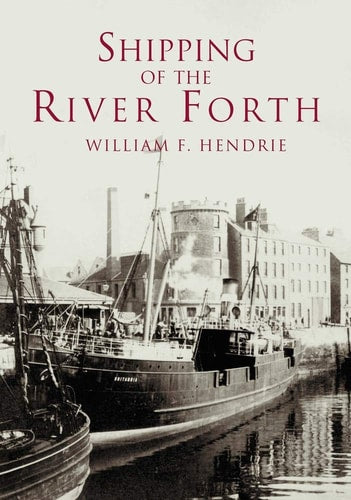
Shipping of the River Forth by William F. Hendrie
Shipping of the River Forth by William F. Hendrie
Condition Details
Condition Details
- New: Brand new and unread.
- Like New: Almost new condition, unread, however may have some slight shelf wear.
- Very Good: Some have been read & some unread, however books will show some signs of light wear/creases or light damage, may be missing dust jacket.
- Good: Some have been read & some unread, however books will show signs of wear/creasing/marks/tears or damage to cover, may be missing dust jacket.
Low stock: 2 left
Couldn't load pickup availability
For thousand of years the River Forth has been utilised by man. from the stone age shell middens at Kinneil to the Roman port at Cramond, there is evidence of man's early use of the river and its estuary. From medieval times onwards, fishing villages have grown up on both banks of the river, while ferries have plied their trade for the same period. Once navigable all the way to Stirling, little commercial traffic now uses most of the river. It was not always so, with ports at Dysart, Methil, Leven Stirling, Alloa, Airth and Bo'ness, all serving the buoyant coal trade. Now few ports survive. Grangemouth and Leith are shadows of their former selves and the huge naval base at Rosyth has been sold and is now also operating on a much smaller scale than even twenty years ago. Shipbreakers, like the ships themselves, were once a common sight, with yards at Bo'ness, Alloa and Rosyth demolishing old ships - including such famous liners as the Cunard Mauretania, White Star's Britannic and Red Star's Belgenland. Within the pages of Shipping of the Forth are views of long gone ships, the fishing industry, coasters and ocean liners as well as paddle steamers, shipwrecks and the people involved in maritime industries along both banks of the river.
Publication date: 2002-08-01
Pages: 128
Binding: Paperback
ISBN: 9780752421179-N
Dimensions: 233.0 x 164.0 x 10.0 mm
Weight: 0.249 kg
Share